Is Elephant Jungle Sanctuary Pattaya worth visiting?

If you're looking for an ethical elephant experience near Pattaya, Elephant Jungle Sanctuary offers a meaningful alternative to traditional riding camps and elephant shows. Set amid the hills outside the city, the sanctuary focuses on rescued elephants that are free to forage, socialise, bathe, and roam in a more natural environment while visitors learn about their individual stories and Thailand's changing approach to elephant welfare.

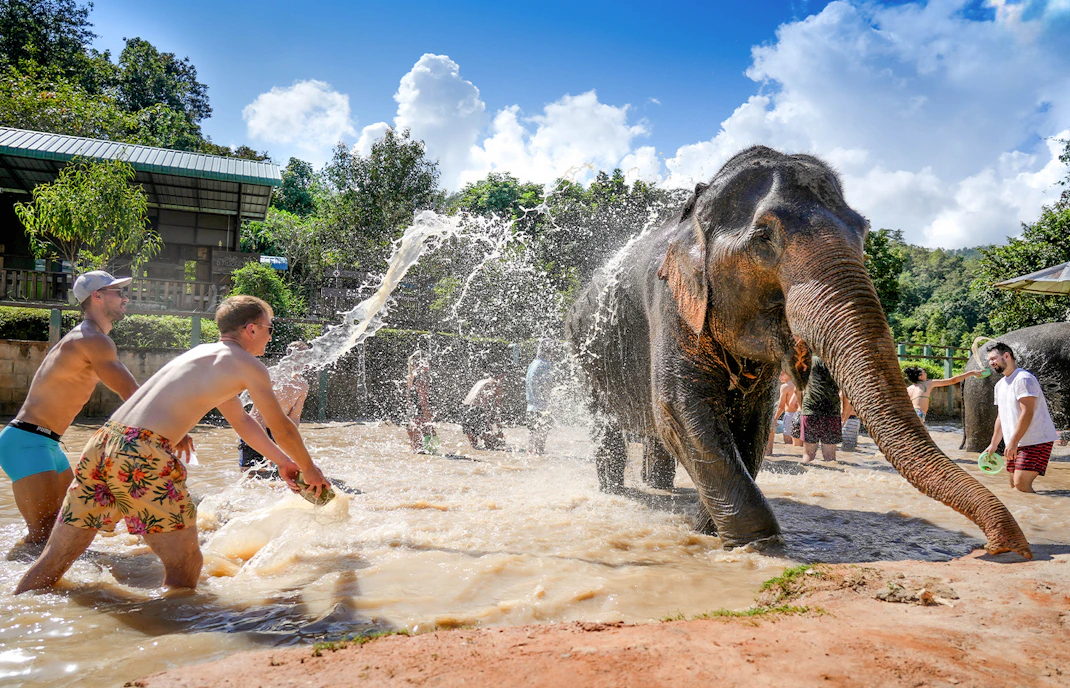
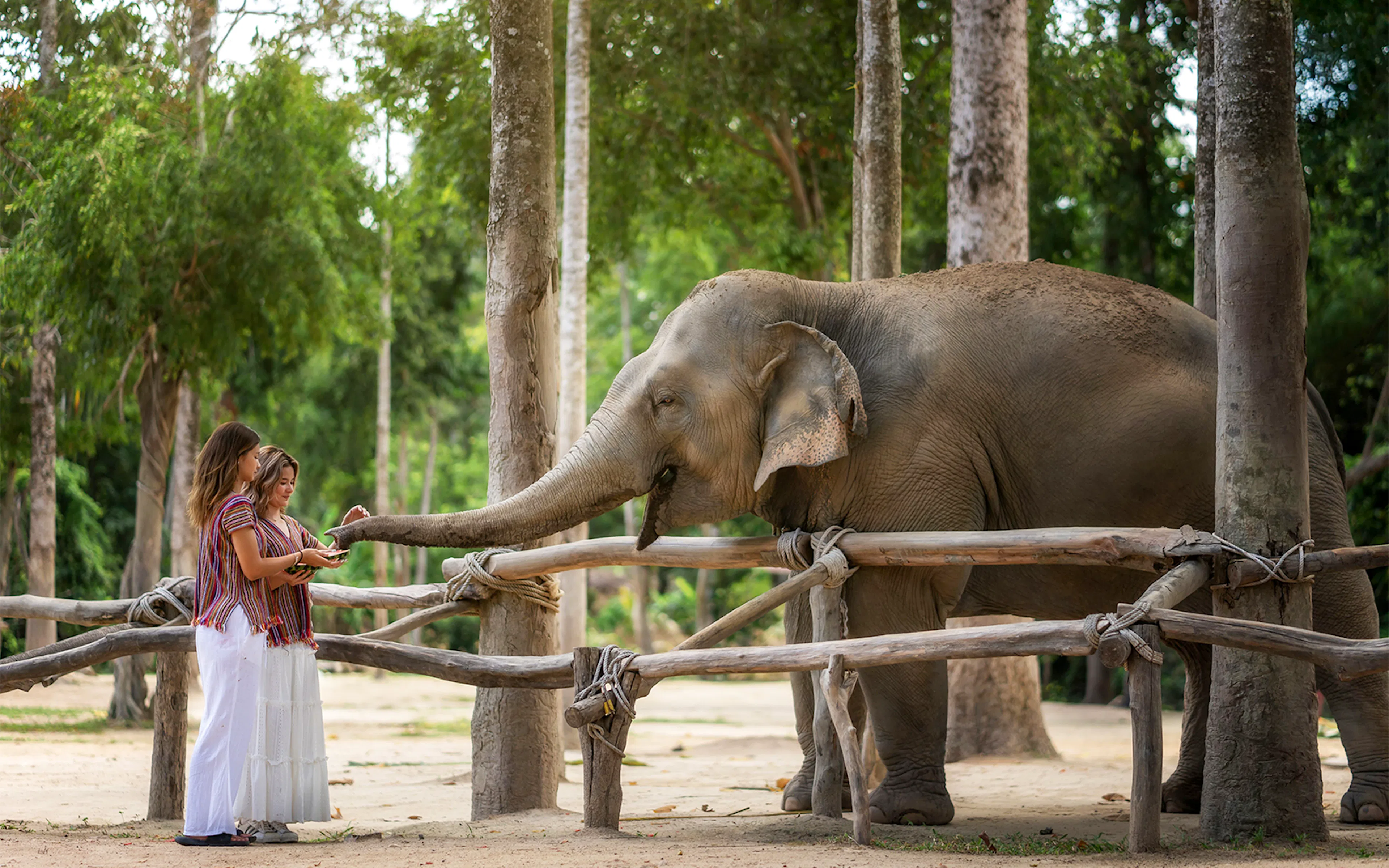
Instead of performances, your visit centres on feeding the elephants, walking alongside them, and, depending on your programme, joining them for mud bathing and river bathing under the supervision of experienced guides. Every visit also supports the sanctuary's wider rescue, veterinary care, and rehabilitation efforts across Thailand.

The biggest takeaway is experiencing close elephant encounters built around welfare, education, and responsible tourism.

Skip it if you're specifically looking for a no-contact, observation-only sanctuary or prefer not to get muddy during interactive activities.

What to see at Elephant Jungle Sanctuary Pattaya

Placeholder Image Headout Blimp
1/6

Meet rescued elephants

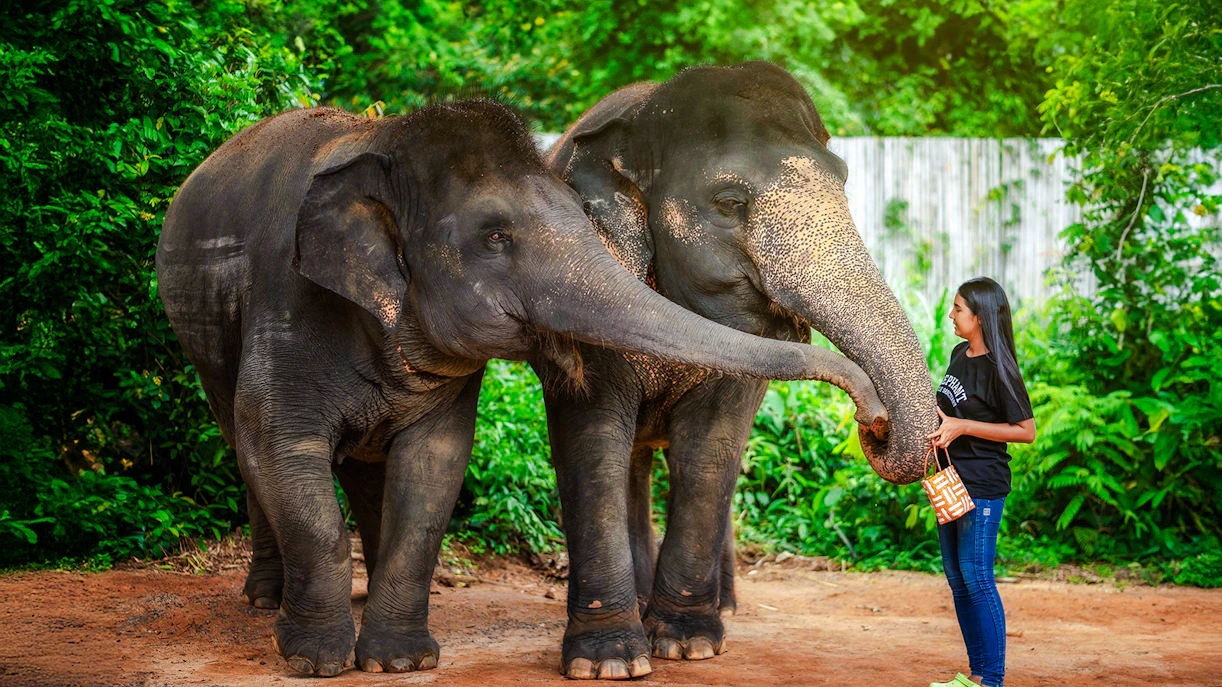
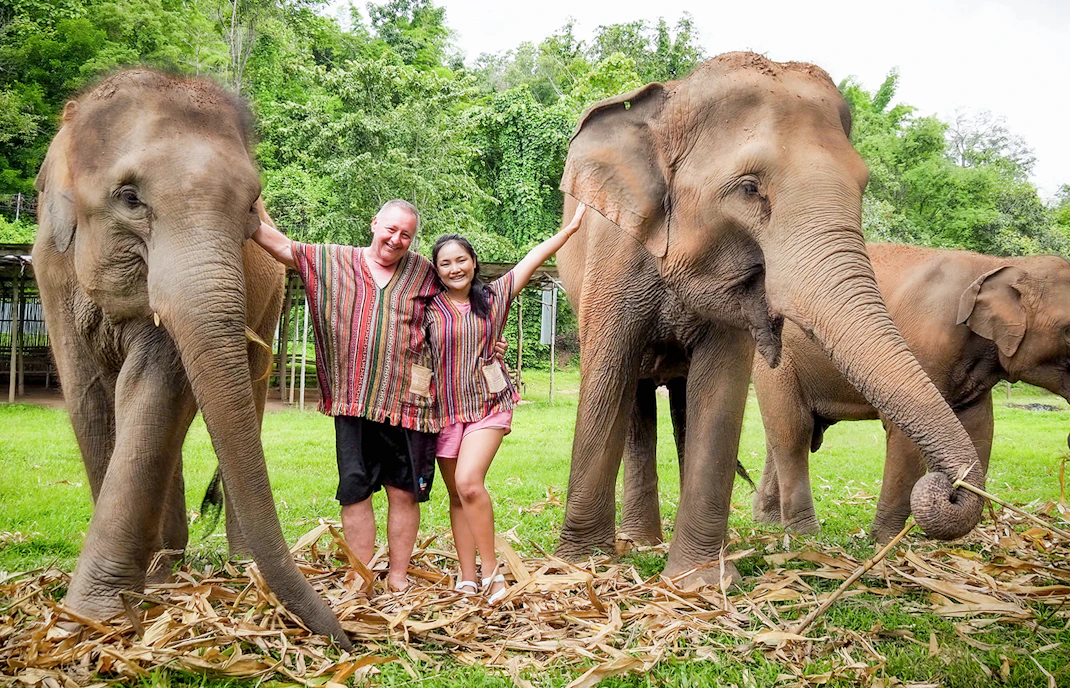
Spend time with elephants rescued from logging, riding camps, and entertainment venues while learning about their personalities, histories, and daily routines in the sanctuary.

Feeding experience

Help prepare nutritious treats before hand-feeding the elephants. Guides explain their diet, health, and behaviour, making this one of the most rewarding parts of the visit.

Walk through the sanctuary

Accompany the elephants as they wander through forested surroundings, forage naturally, and interact with one another without performances or tricks.

Mud spa & river bath

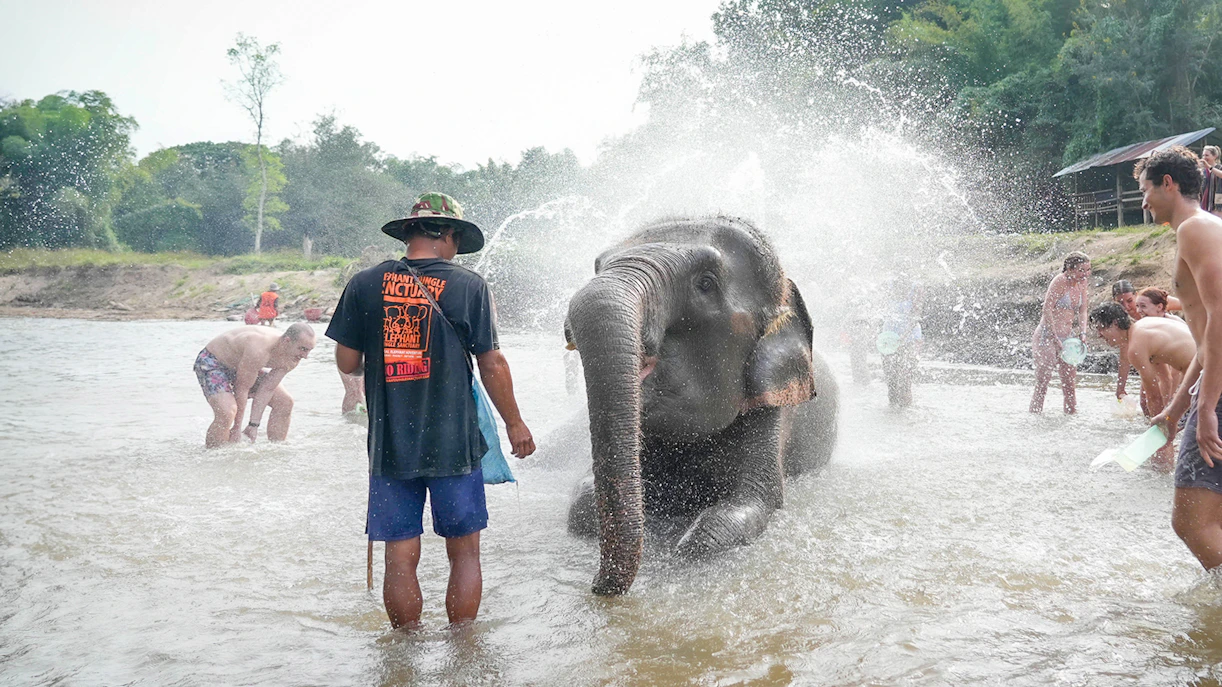
Join the elephants as they cool off in mud pools before washing them in natural water under the guidance of experienced mahouts. This is one of the sanctuary's signature experiences.

Learn about elephant welfare

Educational talks explain the realities of Thailand's elephant tourism industry, the rescue process, and why ethical sanctuaries are replacing traditional riding camps.

Natural surroundings

Located in the countryside outside Pattaya, the sanctuary's green hills, streams, and open landscape provide a peaceful setting that feels far removed from the city's beaches and nightlife.

Meet elephants the ethical way

Spend meaningful time with rescued elephants through experiences that prioritise welfare, education, and conservation over entertainment. Every visit helps support the sanctuary's ongoing rescue and care efforts.

How to explore Elephant Jungle Sanctuary Pattaya

Most visitors choose the half-day programme, which combines hands-on elephant encounters with educational experiences. Hotel transfers are typically included, making the sanctuary an easy excursion from Pattaya or Jomtien.

Your visit begins with an introduction to the sanctuary's mission and safety guidelines before meeting the elephants. You'll help prepare food, hand-feed the elephants, and walk alongside them as they explore their natural surroundings. Depending on your chosen programme, you'll then join the elephants for a mud spa and river bath before enjoying time for photos and a buffet meal.

Must-see: Feeding the elephants and watching them enjoy the mud bath are the highlights of most visits.

Optional: Short "Feed Me" programmes are ideal if you're limited on time or prefer a lighter interaction without bathing.

Guided vs self-paced: All visits are fully guided to ensure visitor safety while keeping the elephants' wellbeing at the centre of every activity.
Brief history of Elephant Jungle Sanctuary Pattaya

Elephant Jungle Sanctuary was founded in Chiang Mai in 2014 by Ponwarin Chaibenjapong ("Mama Noi") and partners from local Karen communities who wanted to create a more ethical future for elephants previously used in logging and tourism. Starting with just three rescued elephants, the organisation has grown into one of Thailand's best-known ethical sanctuary networks, caring for more than 100 elephants across several locations.

The Pattaya sanctuary later became the project's first branch in Chonburi Province, extending the same welfare-first philosophy to Thailand's eastern coast while offering visitors a responsible alternative to elephant riding and performances.

Architecture of Elephant Jungle Sanctuary Pattaya

Rather than purpose-built performance arenas, Elephant Jungle Sanctuary Pattaya is designed around open natural landscapes where elephants can express normal behaviours. Forest trails, grassy fields, mud pools, and streams replace enclosed show spaces, allowing rescued elephants to forage, socialise, and bathe throughout the day.

Visitor facilities remain intentionally simple, blending into the surrounding countryside instead of dominating it. Walking paths, feeding areas, and shaded rest spaces enable close yet respectful interactions while keeping the focus on the elephants themselves. The result is a sanctuary that prioritises animal welfare over spectacle, creating a more authentic environment for both elephants and visitors.

Who founded Elephant Jungle Sanctuary?

Elephant Jungle Sanctuary was founded in 2014 by Ponwarin Chaibenjapong ("Mama Noi"), together with members of Thailand's Karen communities, to provide rescued elephants with a life free from riding, performances, and exploitative tourism. Today, the organisation operates ethical sanctuaries across Thailand.

More than an elephant sanctuary

Every visit directly contributes to the care of rescued elephants by helping fund food, veterinary treatment, land, and daily operations across the Elephant Jungle Sanctuary network. Beyond providing memorable encounters, the sanctuary encourages visitors to make informed choices about ethical wildlife tourism and demonstrates that elephant welfare can be supported through responsible travel rather than exploitative entertainment.

Frequently asked questions about Elephant Jungle Sanctuary Pattaya

Yes. The sanctuary follows a no-riding, no-performances philosophy centred on rescue, rehabilitation, and education. Visitors interact with elephants through feeding, walking, and supervised activities that prioritise their welfare.

More reads